
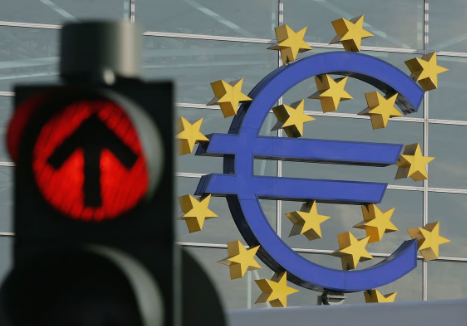
Recent developments in transatlantic trade are drawing increased attention across Europe.
While official statements remain cautious, discussions around tariffs and technology access suggest that the relationship between the EU and the United States may be entering a more complex phase.
For many observers, the key question is no longer whether tensions exist — but how they might evolve.
Trade Is No Longer Just About Goods
Traditionally, trade disputes focused on physical products — steel, agriculture, manufacturing.
Today, the landscape looks different.
Conversations within European institutions increasingly revolve around:
- digital infrastructure
- access to advanced technologies
- long-term strategic positioning
According to the European Commission, maintaining fair and balanced trade conditions remains a central priority as global competition intensifies.
Technology Is Becoming Central
One of the most notable shifts is the growing importance of AI and digital systems in trade dynamics.
Rather than being treated as separate sectors, technology is now deeply integrated into economic policy discussions.
Within the European Parliament, policymakers have emphasized the need for:
- stronger digital independence
- clearer frameworks around access and usage
- long-term resilience in critical technologies
This reflects a broader movement toward what is often described as digital sovereignty.
Signals From European Leaders
European leaders have repeatedly highlighted the importance of reducing dependency on external systems.
Emmanuel Macron has spoken about the need for Europe to strengthen its own technological capabilities, while Friedrich Merz has pointed to the role of innovation in securing economic stability.
Together, these signals suggest a coordinated approach:
👉 not confrontation, but recalibration.
Why People Are Paying Attention
Periods of uncertainty tend to change how people interpret global developments.
Even without dramatic announcements, subtle shifts in policy and tone can signal larger changes ahead.
Across Europe, there is growing curiosity around:
- how trade relations may impact everyday costs
- what role technology will play in future economic systems
- and how access to certain tools or services might evolve
A Moment of Transition
The current situation does not point to immediate disruption.
Instead, it suggests a gradual transition — one where trade, technology, and policy become more closely interconnected.
For observers, businesses, and everyday users alike, this creates a new environment:
- less predictable
- more dynamic
- and increasingly shaped by long-term strategic decisions
Conclusion
The evolving relationship between the EU and the US reflects more than a typical trade disagreement.
It highlights a broader shift in how economic influence is defined — where access to technology and control over systems play a growing role.
While the full impact is still unfolding, one thing is clear:
👉 subtle changes today often signal bigger transformations ahead.